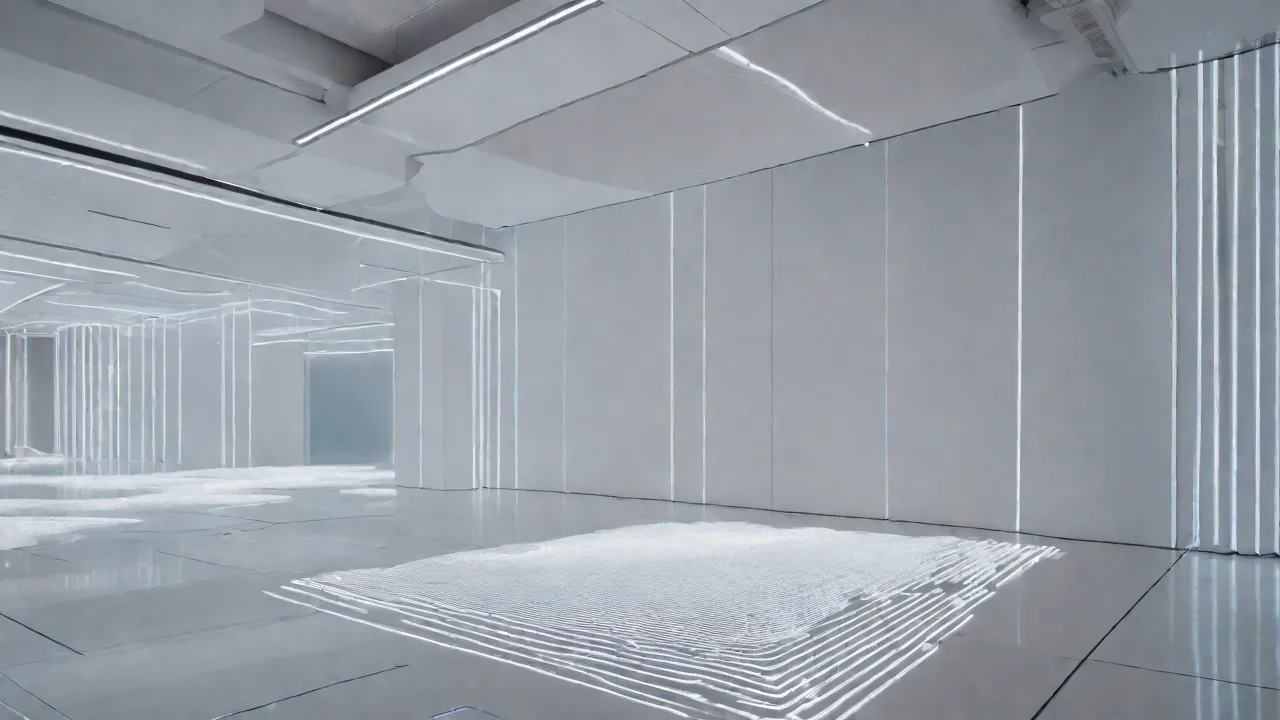
The Potential of Edge Computing for Real-time Interactive Art Installations
Edge computing is transforming the way artists create and display interactive art installations. By processing data closer to the source, edge computing enables real-time interactions that were previously difficult to achieve with traditional cloud-based systems.
What is Edge Computing?
Edge computing refers to the practice of processing data near the location where it is generated, rather than relying on centralized servers or cloud data centers. This approach reduces latency, increases speed, and enhances the responsiveness of digital systems.
Advantages for Interactive Art
- Low latency: Immediate response to viewer interactions enhances immersion.
- Bandwidth efficiency: Reduces the load on network infrastructure by processing data locally.
- Enhanced privacy: Sensitive data remains within the local environment, ensuring privacy and security.
- Reliability: Less dependence on internet connectivity minimizes disruptions during exhibitions.
Applications in Art Installations
Artists are leveraging edge computing to create dynamic, interactive experiences. Some notable applications include:
- Interactive sculptures: Respond to touch or proximity instantly, changing form or lighting.
- Augmented reality exhibits: Provide real-time overlays based on viewer movements.
- Sound and light shows: Synchronize effects with audience input without delays.
- Sensor-driven installations: Use environmental data to modify the artwork dynamically.
Challenges and Future Prospects
Despite its potential, edge computing faces challenges such as hardware costs, maintenance, and the need for specialized technical knowledge. However, ongoing advancements are making these solutions more accessible. As technology evolves, we can expect even more innovative uses of edge computing in the art world, pushing the boundaries of creativity and interactivity.