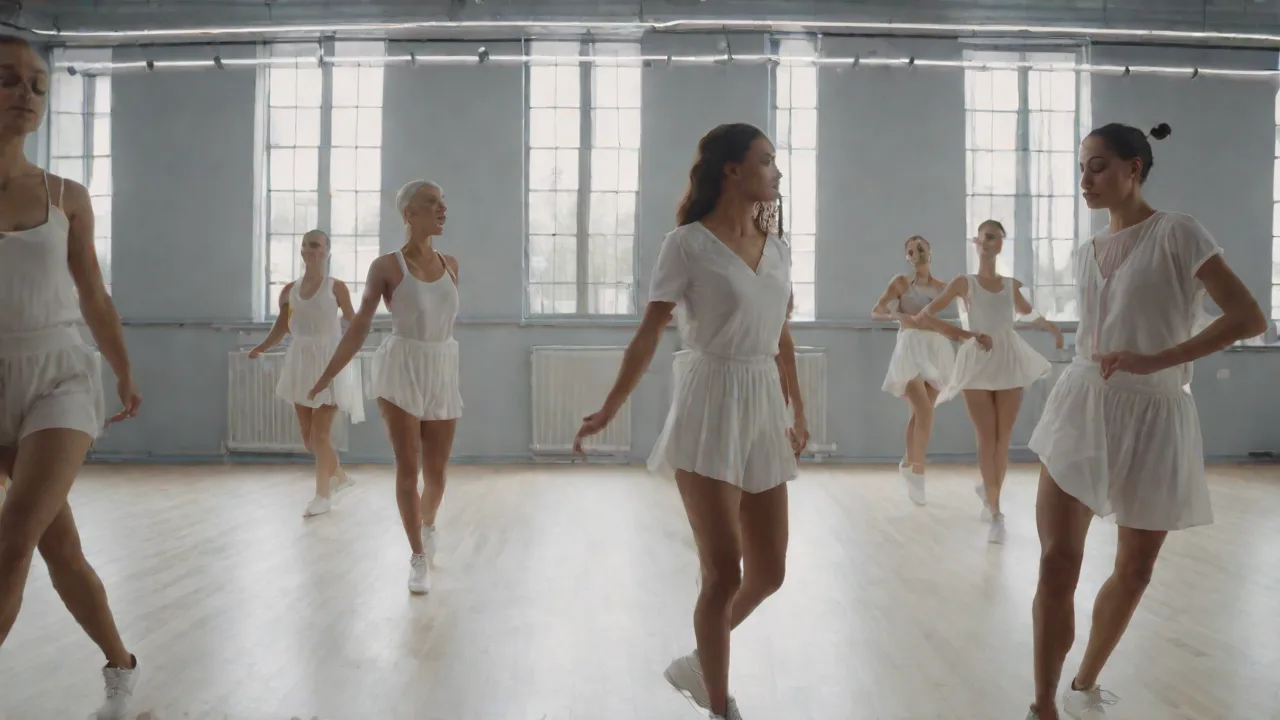
How to Use Motion Tracking to Create Interactive Dance Performances
Motion tracking technology has revolutionized the way dance performances are created and experienced. By capturing the movements of dancers in real-time, artists can develop interactive shows that respond dynamically to their movements. This article explores how to use motion tracking to craft engaging and innovative dance performances.
Understanding Motion Tracking in Dance
Motion tracking involves using sensors or cameras to monitor the position and movement of dancers. These systems convert physical movements into digital data, which can then be used to manipulate visual effects, lighting, sound, or digital projections in real-time. This technology allows for a seamless integration of dance and multimedia, creating immersive experiences for audiences.
Types of Motion Tracking Technologies
- Optical Systems: Use cameras and markers placed on dancers to track movement precisely.
- Inertial Sensors: Use accelerometers and gyroscopes embedded in suits or wearables to detect motion without cameras.
- Depth Cameras: Devices like Microsoft Kinect capture three-dimensional movement without markers.
Steps to Create an Interactive Dance Performance
Follow these key steps to incorporate motion tracking into your dance production:
- Choose the Right Technology: Select a system that fits your budget, space, and desired precision.
- Design Your Choreography: Develop dance routines that leverage the capabilities of motion tracking.
- Set Up the System: Install sensors or cameras and calibrate them for accurate tracking.
- Integrate Digital Effects: Use software to connect movement data with visual and audio elements.
- Rehearse and Refine: Practice with the system, adjusting choreography and technical settings as needed.
Benefits of Using Motion Tracking in Dance
Implementing motion tracking offers several advantages:
- Enhanced Audience Engagement: Interactive elements captivate viewers and create memorable experiences.
- Innovative Artistic Expression: Dancers can explore new movements and digital collaborations.
- Real-Time Feedback: Immediate visual responses allow performers to adjust their movements dynamically.
- Expanded Creative Possibilities: Combining dance with multimedia opens up new avenues for storytelling and visual effects.
Conclusion
Using motion tracking technology in dance performances offers exciting opportunities for innovation and audience interaction. By understanding the available tools and following a structured approach, choreographers and performers can create captivating, interactive shows that push the boundaries of traditional dance. Embrace this technology to elevate your artistic expression and engage audiences in new and meaningful ways.